Insect: A Font That Brings Whimsy and Character to Creative Projects
There’s something undeniably magnetic about a typeface that feels alive on the page. It doesn’t just sit there passively waiting to be read—it invites you in, sparks curiosity, and sets a mood before you’ve even processed the words. That’s the kind of energy Insect brings to the table. Whether you’re designing a children’s book cover, crafting social media posts for a boutique brand, or putting together invitations for a milestone celebration, this font has a personality that’s hard to ignore.
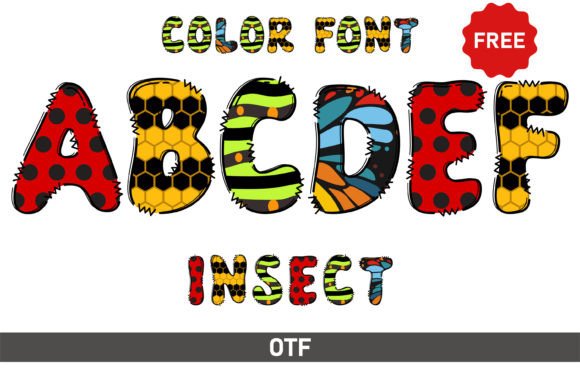
At its core, Insect is a premium display font that leans into playful, artistic territory. The letterforms carry a sense of movement and whimsy, with curves and strokes that feel hand-crafted rather than mechanically generated. It’s the sort of typeface that makes people pause mid-scroll—not because it’s loud or aggressive, but because it radiates warmth and creativity. For designers, small business owners, and content creators who need typography that communicates joy, imagination, and approachability, Insect is a genuinely useful tool to have in your design assets library.
Where This Font Truly Shines
Think about the projects where tone matters just as much as information. A bakery’s packaging needs to feel inviting. A children’s educational brand needs to feel fun without being condescending. A wedding invitation needs to feel personal and celebratory. In each of these scenarios, the typography you choose carries enormous weight in shaping how your audience perceives the message.
Insect works beautifully across a surprisingly wide range of applications. Here’s where designers and creators tend to get the most mileage out of it:
- Children’s books and educational materials – The whimsical, easy-to-read letterforms create an engaging experience for young readers without sacrificing clarity.
- Logo design – For brands that want to project creativity, friendliness, or artisanal quality, a display font like this can become the cornerstone of a memorable visual identity.
- Packaging design – Whether it’s a candle label, a snack wrapper, or a cosmetics box, the right typeface helps products stand out on crowded shelves.
- Social media graphics – Eye-catching typography is half the battle on platforms where users scroll past content in milliseconds.
- Posters and event materials – From concert flyers to community event announcements, Insect adds personality that plain sans serif fonts simply can’t deliver.
- Invitations and greeting cards – Birthdays, baby showers, holidays—these are moments that call for typography with heart.
- Merchandise and print-on-demand products – Tote bags, mugs, and stickers benefit from fonts that feel distinctive and hand-crafted.
- Digital products and marketing assets – Ebooks, email headers, lead magnets, and ad creatives all benefit from a cohesive, branded typographic approach.
The versatility here is worth emphasizing. Too often, playful fonts pigeonhole themselves into one narrow use case. Insect manages to be expressive without being limiting, which makes it a practical choice for professionals juggling multiple project types.
Pairing Insect with Other Typefaces
No font exists in isolation. Even the most striking display typeface needs supporting players to create a balanced, readable layout. One of the most common mistakes in modern typography is relying on a single font to do all the heavy lifting. The result often feels either monotonous or overwhelming.
When working with Insect, consider pairing it with a clean, neutral sans serif font for body text. The contrast between the expressive headline font and the understated body copy creates visual hierarchy naturally. Think of it like a conversation: Insect gets attention and sets the tone, while the secondary font delivers the detailed information readers need.
For editorial layouts and blog design, try using Insect for pull quotes, section headers, or featured titles while keeping your primary content in something highly legible at smaller sizes. In packaging design, the font might anchor the product name while a simple serif or sans serif handles ingredient lists and regulatory text.
The key principle is balance. If your headline font is expressive and detailed, your supporting typography should be calm and functional. This contrast actually makes both fonts look better by comparison, creating a design that feels intentional and polished rather than chaotic.
Technical Considerations Worth Knowing
Before committing to any font for a project, it’s smart to understand its technical specifications and compatibility. Insect comes in multiple formats, and there’s an important distinction between the black version and the color version that affects where and how you can use each.
The black version of Insect is compatible with Cricut Design Space and other cutting machines, which opens up a world of possibilities for crafters and small business owners creating physical products. Think vinyl decals, custom apparel, paper crafts, and home décor projects. If you use a Cricut or Silhouette machine regularly, this compatibility alone makes the font worth serious consideration.
The color version, however, works with a more specific set of design programs including Photoshop, Illustrator, Silhouette Studio, and Inkscape. It’s important to note that the OTF and TTF files of the color version are not compatible with Cricut. This isn’t a limitation unique to Insect—it’s a technical reality of how color fonts and cutting machine software interact. If you’re planning to use the color version, make sure your workflow includes one of the supported design programs. For a deeper dive into working with color fonts, checking a comprehensive font guide can save you troubleshooting time down the road.
From a commercial licensing perspective, always verify that your intended use aligns with the font’s license terms. Most premium fonts include commercial licenses, but the specifics can vary—especially when it comes to print-on-demand merchandise, client work, or digital product resale. Taking five minutes to review the licensing details upfront prevents headaches later.
Making Typography Work for Your Brand Identity
Here’s something that seasoned brand strategists understand intuitively but many emerging creators overlook: typography is one of the fastest ways to communicate brand personality. Before someone reads a single word on your website, packaging, or Instagram post, they’ve already formed an impression based on the fonts you’ve chosen.
A font like Insect signals creativity, warmth, and approachability. It tells your audience that you care about the details and that your brand has a personality worth engaging with. For small businesses competing against larger, more established players, this kind of visual distinctiveness is a genuine competitive advantage.
Consider building a simple type system for your brand. Choose a primary display font like Insect for headlines and accent text, pair it with a reliable sans serif or serif font for body copy, and document the rules for how each should be used. This creates visual consistency across every touchpoint—from your website to your email newsletters to your product labels. When customers encounter your brand on different platforms, that consistency builds recognition and trust over time.
Readability should always remain a priority, even when you’re drawn to expressive typography. Use Insect at sizes where its character details are clear and legible. At very small sizes, intricate display fonts can lose their charm and become difficult to read. Reserve it for headings, titles, and accent moments where its personality can breathe, and let simpler fonts handle the dense text.
The best creative decisions happen when aesthetic appeal meets practical purpose. A font that looks gorgeous but confuses your audience isn’t doing its job. A font that’s perfectly readable but forgettable isn’t either. Insect occupies a sweet spot between these extremes—distinctive enough to be memorable, crafted enough to remain functional across the projects that matter most to designers, creators, and growing brands.